
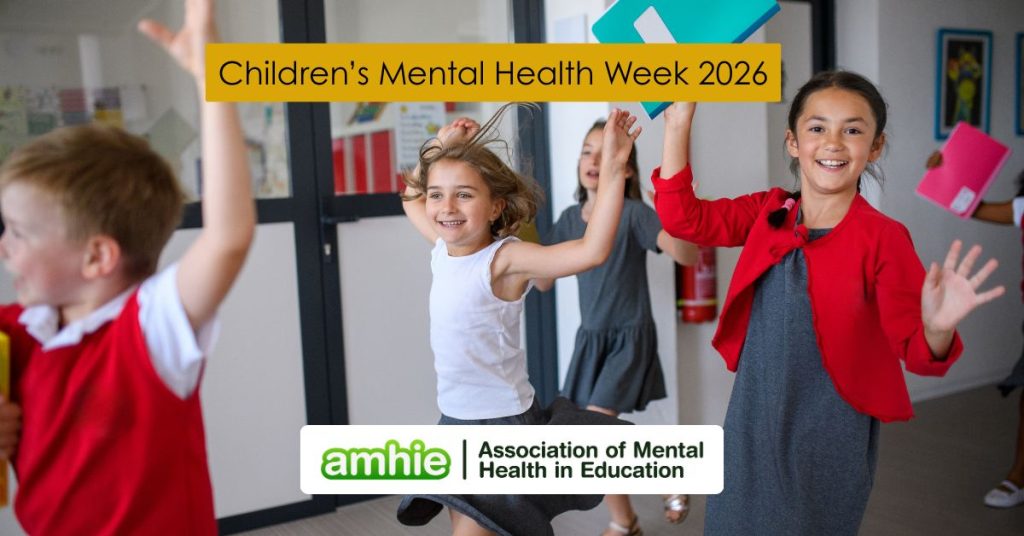
How Teacher Relationships Enhance Student Belonging in Schools
Why relationships matter more than ever in schools.
When children talk about school, they rarely start with lessons or policies. They talk about people. A teacher who noticed them. An adult who listened. Someone who treated them fairly.
Research consistently shows that teacher relationships are one of the strongest predictors of a pupil’s sense of belonging to school. Across international studies involving young people in more than 75 countries, the emotional tone set by teachers — their empathy, fairness and availability — plays a decisive role in whether pupils feel connected or marginalised.
In the UK context, where schools are navigating increasing complexity around behaviour, inclusion, mental health and attendance, relationships are not an “extra”. They are foundational.
Belonging is emotional before it is academic
Teachers do far more than deliver curriculum content. For many children, they are mentors, stabilising figures and trusted adults.
Pupils report feeling a stronger sense of belonging when they believe that teachers care about them as people, not just as learners. Friendliness, fairness and emotional availability matter deeply. When children feel emotionally safe, they are more likely to ask for help, share concerns and remain engaged with school life.
This aligns closely with current DfE guidance on pupil wellbeing and behaviour, which emphasises the importance of relationships, consistency and adult understanding in creating calm, safe learning environments. Where relationships are weak or inconsistent, belonging erodes — often silently.
The everyday interactions that make or break belonging
Belonging is not created through one-off initiatives. It’s built — or undermined — through hundreds of small, daily interactions.
- Fairness matters: Pupils who perceive their teachers as fair report a significantly stronger sense of belonging. This does not mean treating every child the same, but treating them equitably and predictably. Inconsistent sanctions, public reprimands or perceived favouritism can quickly damage trust. This is particularly relevant in the context of Ofsted’s increased attention to behaviour cultures and inclusion, where inspectors are looking beyond policies to how they are experienced by pupils.
- Individualised attention counts: Young people value moments where teachers take time to listen, notice changes in behaviour, or acknowledge personal experiences. These interactions do not need to be lengthy, but they do need to be genuine.
- Presence beyond the classroom: Belonging is shaped just as much in corridors, playgrounds and transition times as it is in lessons. Proactive, relational presence during these moments — a conversation at the door, a check-in after a difficult lesson — can help pupils feel seen and settled.
Inclusion is relational, not just structural
A teacher’s attitudes towards difference and diversity significantly influence the quality of their relationships with pupils.
SEND inclusion: Research shows that teachers with positive attitudes towards the inclusion of pupils with SEND engage in longer, higher-quality interactions, supporting participation and reducing isolation. This complements UK expectations around inclusive practice and reasonable adjustments, but goes further by highlighting the relational dimension of inclusion.
Reframing behaviour: Belonging is enhanced when behaviour is understood as communication rather than defiance. Punitive, sanction-heavy approaches may achieve short-term compliance, but they often damage relationships and disproportionately affect vulnerable pupils.
Current DfE behaviour guidance encourages understanding underlying need — relationships are the mechanism through which this understanding becomes possible.
Cultural competence: Teachers play a critical role in ensuring that pupils from minority or immigrant backgrounds feel that their identities are recognised and respected. Cultural competence — curiosity, reflection and willingness to learn — directly affects whether pupils feel they belong or feel required to mask parts of themselves to fit in.
Belonging grows when pupils have agency
Strong teacher relationships are not based on control; they are based on shared power.
When pupils are included in decisions about their learning, behaviour support or school experience, they are more likely to feel safe and valued. Dialogue, reflection and choice reduce power imbalances and make it easier for marginalised pupils to share their experiences.
This aligns with growing recognition in UK education of pupil voice, particularly in wellbeing, safeguarding and inclusion work.
Belonging is strengthened when children feel that their voice matters — and teachers are often the gatekeepers to that experience.
Staff wellbeing makes relational work possible
Relational practice cannot thrive in systems that exhaust the adults within them.
Time and capacity: High administrative demands and constant pressure reduce the emotional capacity teachers have available for pupils. When every interaction is rushed, relational work becomes harder to sustain.
Teacher belonging: Teachers who feel trusted, supported and valued by leadership are more confident and creative in their relational work. There is a direct connection between staff belonging and pupil belonging.
Leadership sets the tone: When school leaders model care, empathy and relational leadership, they create a cycle of connectivity. Relationships become central to the culture, not dependent on individual goodwill. This reflects Ofsted’s increasing focus on staff wellbeing and leadership culture as part of school effectiveness.
Teacher relationships as a protective factor
For some pupils, a strong relationship with a teacher is not just beneficial — it is protective.
Children exposed to adversity, community violence or socio-economic disadvantage are particularly vulnerable to disconnection from school. A consistent, caring relationship with a trusted adult can act as a stabilising force, helping to buffer against external stressors.
In these cases, belonging becomes a form of early intervention.
Moving forward: relationships as a system priority
Enhancing belonging through teacher relationships is not about asking teachers to “do more”. It is about doing things differently — aligning systems, expectations and leadership around what we already know works.
Belonging grows where relationships are prioritised, protected and supported at every level of the school system.
As we reflect during Children’s Mental Health Week, the question is not whether relationships matter — the evidence is clear. The question is whether our systems are designed to allow them to flourish.
Lily Blakeledge
The Team at AMHIE
February 2026
Take Action: Get Your Free Resources & Join AMHIE
To support reflection during Children’s Mental Health Week, we’ve created a free practical toolkit designed to help education professionals think about how belonging shows up in their school or organisation.
The Children’s Mental Health Week Toolkit: This Is My Place includes three ready-to-use resources grounded in evidence and everyday practice:
- Free Resource 1: School Culture Reflection Audit
- Free Resource 2: Classroom Belonging Reflection Questionnaire
- Free Resource 3: Pupil Support Planning Template (Belonging-Focused)
These resources are available to our free members, alongside access to our wider library of practical toolkits and guidance focused on mental health in education.
Sign up for free membership to access the toolkit and stay connected with future resources and learning opportunities. needed for whole-school implementation.
An interesting article on reframing classrooms for inclusivity: https://www.weareteachers.com/best-flexible-seating-options/
Harness belonging. Secure your resources now.

#ChildrensMentalHealthWeek #Belonging #MentalHealthInEducation #SchoolCulture #AMHIE
